Educational project AENFT about blockchain, digital ownership, and the Web3 ecosystem. Making complex digital concepts simple for everyone.

AENFT is a dedicated educational hub designed to demystify the complexities of modern digital frontiers. Our mission is to provide clear, actionable insights into blockchain technologies, the evolving NFT landscape, and the mechanics of digital property. We believe that understanding smart contracts and the Web3 ecosystem is the first step toward participating in the future of the internet.
Our content is specifically tailored for beginners who are eager to navigate the decentralized world with confidence. From foundational principles to advanced trends, we cover key themes that empower our audience to grasp how digital ownership is reshaping global industries. Join us as we bridge the gap between complex engineering and accessible knowledge.
Blockchain technology serves as the fundamental architecture for the digital revolution, acting as a decentralized, immutable ledger that records transactions across a network of computers. At its core, it is a sequence of data blocks linked together using cryptographic principles, ensuring that once information is recorded, it cannot be altered without changing all subsequent blocks and gaining consensus from the entire network.
Each block in the chain contains a digital identifier for the previous block, a timestamp, and associated data. This structure helps maintain the sequence of records and makes it difficult to change already stored information. When a new record is created, it is combined with other data into a separate block. Network participants then verify its correctness using special consensus algorithms that maintain the integrity and consistency of information throughout the distributed system.
Unlike traditional databases managed by a central authority, blockchain operates on a distributed storage model. Every participant in the network holds a copy of the entire ledger. This distribution eliminates a single point of failure and ensures unparalleled transparency. Anyone can audit the transaction history, creating a trustless environment where participants rely on code and consensus rather than intermediaries.
Decentralization is the cornerstone of blockchain security. By removing the central server, the network becomes immune to traditional hacking methods targeting localized data. Cryptographic hashing ensures that any attempt to tamper with a block is immediately visible to the rest of the network. This robust security framework makes blockchain the ideal foundation for digital property rights, smart contracts, and the evolving Web3 ecosystem, providing a secure layer for value exchange in the digital age.
As we transition toward a more digital economy, understanding these foundations is crucial. Blockchain is not merely about currency; it is a new way of organizing information and trust. By leveraging mathematics and distributed computing, it empowers individuals to own their digital footprint and participate in a global, permissionless financial and social infrastructure.
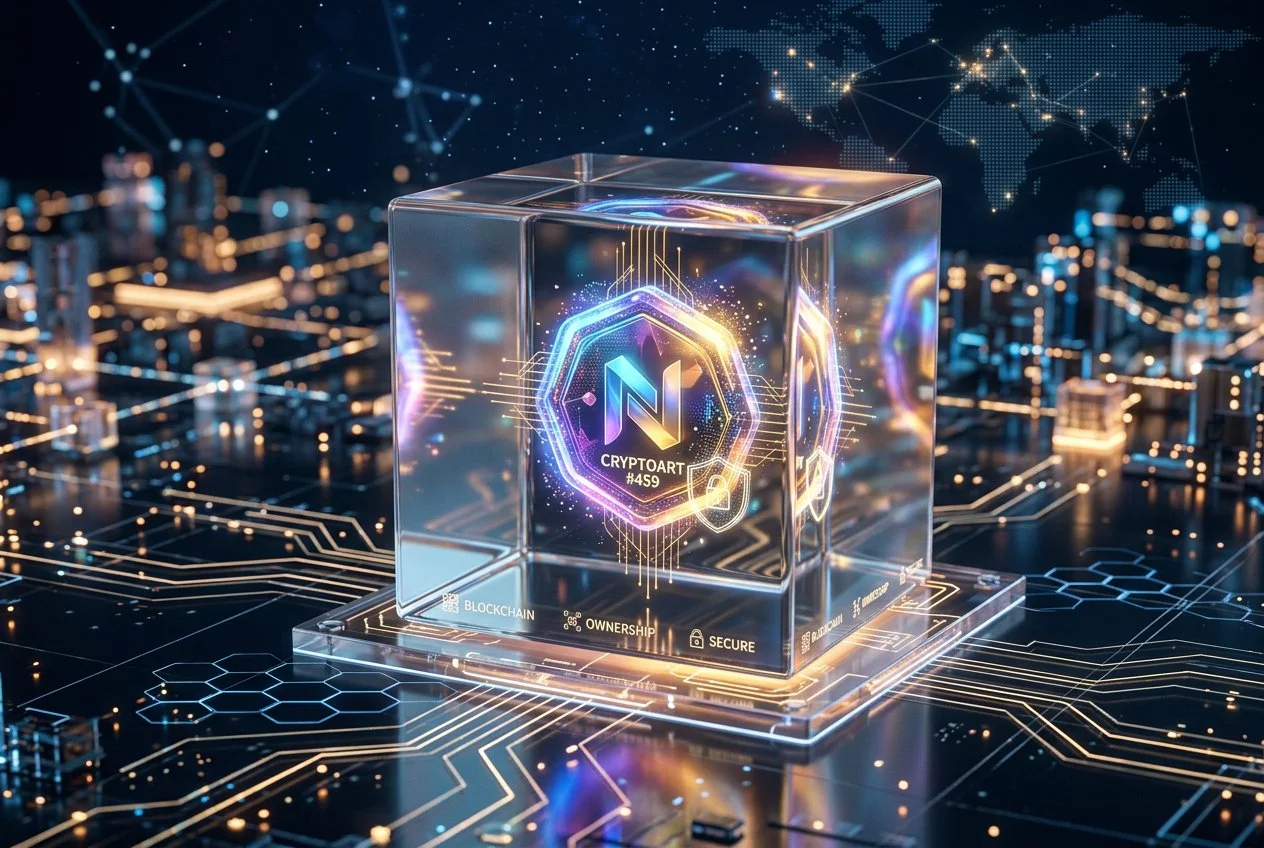
Non-Fungible Tokens (NFTs) are unique cryptographic tokens that exist on a blockchain and cannot be replicated. Unlike standard digital files that can be copied infinitely, an NFT represents a specific, verifiable proof of ownership over a digital item.
Ensures only one official version of a digital asset exists at any time.
Ownership is recorded on a transparent, immutable public ledger.
From digital art and music to virtual real estate and identity.
Standard files are like dollars; NFTs are like one-of-a-kind masterpieces.
The evolution of the internet from centralized silos to a decentralized, user-owned digital landscape.
Web3 is built on decentralization, trustless interactions, and permissionless access. It removes intermediaries, allowing value to flow directly between participants through cryptographic verification.
Users control their own data through self-sovereign identities. Instead of multiple accounts, one cryptographic wallet serves as a universal login across the entire ecosystem.
dApps run on blockchain networks or P2P protocols. Their logic is governed by smart contracts, ensuring transparency and preventing any single entity from shutting down the service.
Interaction is based on ownership rather than consumption. Users are not just products of the platform; they are stakeholders who can participate in governance and value creation.
The future involves seamless interoperability between chains, scalable layer-2 solutions, and the integration of AI to create a more intelligent, user-centric web.
Web3 enables programmable money and digital property rights, transforming how we perceive value, labor, and creative contribution in the global digital economy.
The technical journey of a digital asset from a simple file to a verified blockchain token.
The backbone of every NFT. These self-executing programs contain the rules of the token, defining ownership, transferability, and royalty structures without intermediaries.
NFT creation is the process of adding a unique digital asset to a distributed ledger. During this process, the information is verified and stored in the system, allowing the asset to be identified and associated with relevant metadata.
Since raw files are large, NFTs store metadata (links to images/videos) rather than the files themselves, often using decentralized systems like IPFS for permanence.
Special technical standards are used to create NFTs, defining the structure and properties of the digital object. Their use ensures compatibility with various NFT-enabled services and helps correctly display and identify such objects in the Web3 ecosystem.
Creators often group NFTs into collections. This allows for shared attributes, verified provenance, and a unified brand identity within the digital ecosystem.
Once minted, the token ID is linked to your wallet address. This public record provides undeniable proof of authenticity and ownership history.
Secure your digital assets and navigate the Web3 landscape with confidence.
A crypto wallet is a tool used to interact with blockchain-based applications and NFT services. Rather than storing NFT directly, it securely manages the cryptographic keys associated with your wallet address and digital objects recorded on the blockchain.
Digital services supporting NFT provide tools for viewing, organizing and interacting with digital objects. Available features depend on the supported blockchain network, technical standards and compatibility with the selected application. Before using any service, it is helpful to review its supported formats, available functions and security features.
The information provided in this section is for educational and informational purposes only and does not constitute financial advice, investment advice, or trading advice. AENFT does not recommend that any cryptocurrency or digital asset should be bought, sold, or held by you. Conduct your own due diligence and consult your financial advisor before making any investment decisions.

Free NFT releases can be a useful way to learn how digital collections work within the Web3 ecosystem. However, users should understand that some fraudulent websites and misleading offers may imitate legitimate projects. Learning to recognize common warning signs helps improve online safety.
Always verify information through official project websites, published smart contract details, or other trusted sources before interacting with any NFT collection.
Be cautious of fake websites, unexpected messages offering exclusive digital collections, and suspicious links requesting confidential information or recovery phrases.
Never share your recovery phrase or other confidential access information. Consider using dedicated wallet applications for different activities and always verify the authenticity of the service before connecting your wallet.
Navigating the digital property landscape requires foundational knowledge and a security-first mindset.
Understand the difference between Minting, Gas Fees, and Floor Price. Knowing the language is your first line of defense against confusion in the marketplace.
Never share your seed phrase. Use hardware wallets for long-term storage and always verify the source of any transaction request in your browser extension.
Do Your Own Research. Analyze the team behind the project, the utility of the NFT, and the long-term roadmap before committing any digital assets.
Cross-reference information on official channels. Scammers often use fake social media profiles to promote malicious links and fraudulent collections.
Remember: In the Web3 world, you are your own bank. Security starts with your actions and the skepticism you apply to every new opportunity.
Join thousands of learners who have simplified their path into the blockchain and NFT ecosystem with AENFT.
AENFT made smart contracts finally click for me. The step-by-step guides are incredibly clear for beginners.

The security section is a lifesaver. I now feel confident managing my digital property without fear of common scams.

Best Web3 educational resource I have found. It cuts through the hype and explains the actual technology simply.

The NFT basics guide helped our small art studio transition into digital collectibles with ease. Highly recommended.

Join our community to receive the latest educational insights on blockchain, smart contracts, and the evolving Web3 ecosystem directly to your inbox.
Making complex digital property and blockchain topics accessible for everyone. Empowering the next generation of Web3 users.